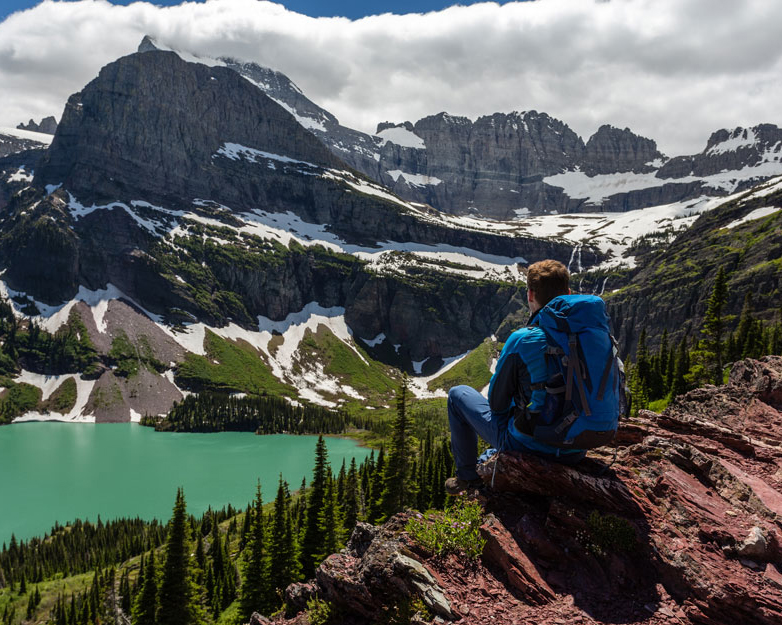
Outdoor recreational therapy, wilderness therapy, outdoor behavioral healthcare—no matter what name you assign to it, it is understood nature can provide powerful therapeutic benefits for a wide range of people.
Time spent outdoors has been shown to help individuals with mental health issues by reducing anxiety and depression and enhancing overall happiness. With veterans, especially those who have post-traumatic stress disorder (PTSD) or need help to reintegrate into civilian life, time in nature also has shown promising benefits.
That’s why, in late 2020, the Veterans Recovery Outdoors Act was signed into law to make it easier for veterans to use the outdoors as part of their therapy and medical treatment. To understand what the Veterans Recovery Outdoors Act entails, here’s a breakdown of the act and how it benefits military veterans.
ABOUT THE VETERANS RECOVERY OUTDOORS ACT
The Veterans Recovery Outdoors Act was first introduced in May 2019 by the House. The Senate later introduced the companion bill as part of a larger legislative effort to serve veterans better. More than 150 members of Congress on both sides of the aisle sponsored the legislation.
Leading up to the passage of the act, the National Parks Conservation Association (NPCA) and other partners and veterans across the U.S. worked to help legislators understand the therapeutic value national parks and public lands offer.
Included in the Veterans Comprehensive, Prevention, Access to Care and Treatment (COMPACT) Act of 2020, the Veterans Recovery Outdoors Act should ensure millions of veterans and their families can access the resources they need to benefit from the healing power of outdoor spaces, including public lands.
Besides the other eight provisions in the COMPACT Act, the new law aims to address issues that may lead to suicide and to address gaps in existing law that may prevent veterans in crisis from receiving critical emergency mental health care.
Specifically, the new law provides a plan to improve access to therapeutic outdoor programs. It requires the Department of Veterans Affairs (VA) to create an interagency task force on veterans’ outdoor recreation. The task force is charged with identifying barriers and making recommendations regarding public lands and other outdoor areas for veterans’ medical treatment and therapy.
In addition to the VA, the task force includes representatives from the offices of the Chief of the Army Corps of Engineers, Secretary of Agriculture, Secretary of Defense, Secretary of Health and Human Services, Secretary of Homeland Security and Secretary of the Interior.