
Many believe he’s the ultimate Marine. But does he deserve the nation’s highest award for valor?
It was around dawn on Feb. 19, 2012, when the phone rang in an apartment in Oceanside, California, rousting retired Marine Maj. James Capers Jr. from a deep sleep. Capers looked for the sound, his 73-year-old brain still soaked with the residue of his nightly Ambien. He found the phone and picked up. The voice on the other end was frenzied: “They have me surrounded, sir! They’re coming to get me! I didn’t do anything wrong!”
Capers thought it must be a dream. The voice belonged to James Dixon III, the young Iraq war veteran who, just weeks earlier, had been living with Capers, helping him with his memoir. The ramblings continued: “You’re going to get the Medal of Honor, sir. You’re going to get it … I love you. I miss you.” Who has him surrounded? Capers thought. He tried to calm Dixon. He figured the young man must have had too much to drink. Alcohol never mixed well with Dixon’s post-traumatic stress.
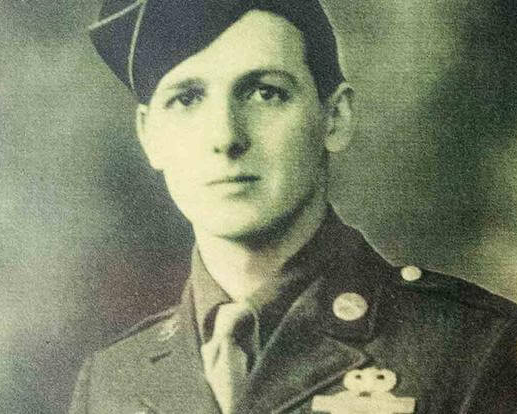
Capers had come to regard Dixon like a son. He had been a key member of the administrative team that put together Capers’ Medal of Honor nomination in 2008, 41 years after Capers’ combat tour in Vietnam. Capers is a legend of the Marine Corps’ elite Force Reconnaissance community, and Dixon wanted to see him become the first Black Marine officer ever to receive America’s highest military honor.
“Take it easy,” Capers pleaded. “I’ll come to Georgia and we’ll sort this out together, son. I’m going to take care of you. Just calm down.” The line went dead.
Capers tried calling back. No answer.
Minutes later, he got a call from Dixon’s father.
James Dixon III was dead.
Death is a common refrain in Jim Capers’ life. In Vietnam, death was Capers’ business — inflicting and avoiding it, and generally coping with its inescapable centrality. When death failed to take Capers during a bloody ambush in Vietnam, it followed him home. There were no parades or homecomings for Capers’ generation of veterans. Suicide, drugs, alcohol, violence — death continued to call, and Capers became all too familiar with the destructive patterns into which so many veterans fall.
Cpl. James Monroe “Rooster” Dixon III was assigned to the 2nd Marine Division’s personnel and administration section in 2007. The assignment was meant to be a change of speed for Dixon, who had severe PTS from three tours as an infantryman in Iraq and was waiting to hear if he would be approved for medical retirement for his psychological trauma. A Georgian from the tiny town of Baxley, Dixon had a thick drawl, an endearing laugh, and unruly hair that earned him the nickname Rooster. He earned an MBA from Georgia Southern University and was highly intelligent, fiercely loyal, and deeply passionate about taking care of Marines.