

Offseason Deer Hunting Checklist
- Plant/Manage Food Plots
- Buy License/Read regulations
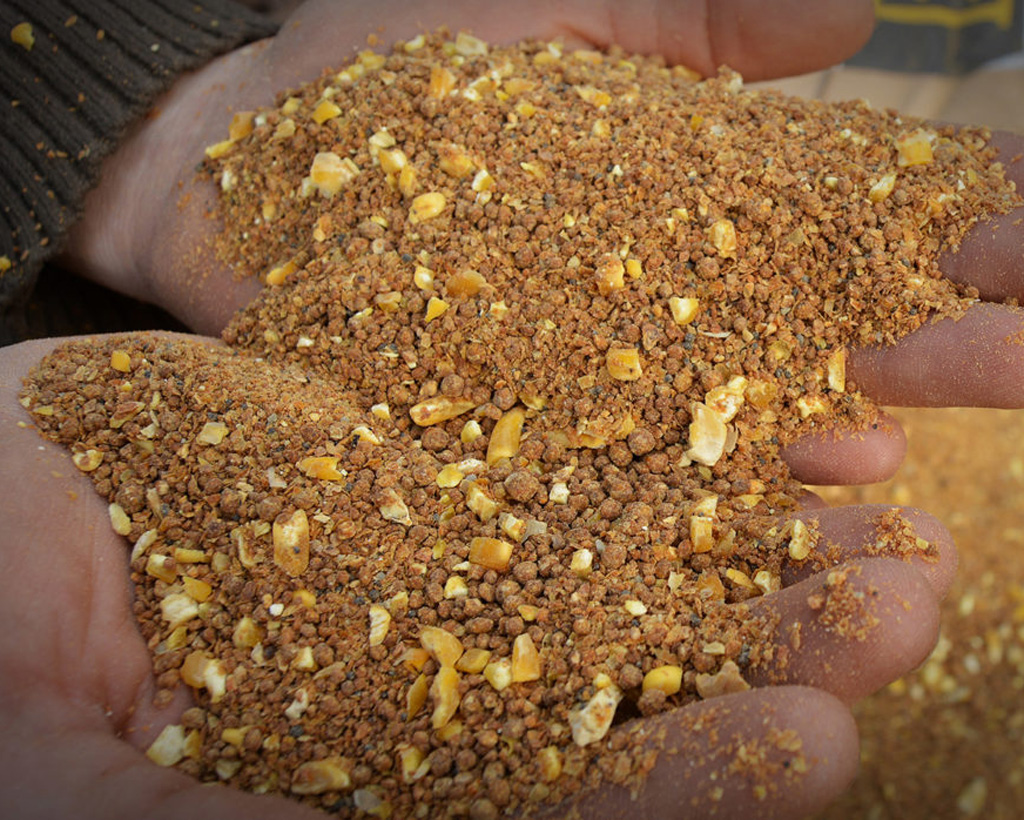
- Utilize Minerals, Supplements, and Bait (or remove bait before season)
- Check and Run Trail Cameras (full batteries, empty formatted SD cards)
- Gather an Inventory (trail camera survey)
- Scout for the Early Season
- Tree Stand, Tripod Stand, and Box Blind Safety Check
- Safety Harness and Safe-Line check
- Sight in/Practice Bow and Firearm
- Create Detailed and Organized Maps
- Think Through Your Hunting Pack
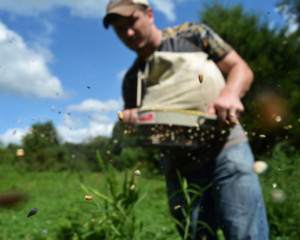 Food Plots
Summer is food plot season. Planting food for your deer not only provides extra protein for growth but forage to sustain your herd in the cold weather of the late fall and winter. Planting food plots takes several easy steps although it can be time-consuming.
First, test the soil to find the pH or acidity level of the ground you wish to cultivate for your food plot. Finding the acidity will help you decide the next steps such as liming and seed choice. Lime is a base which helps bring balance to unbalanced soils. If your chosen area has had the nutrients washed away on a steep grade or is higher in elevation, then you will want to find the right amount of lime per acre needed to balance the pH to help optimize seed growth. Second, choosing the right seed for the pH is critical. Typically seed manufacturers will have the information on each seed and what pH the plant will grow in best. Taking into consideration what your goals are for a given location you will want to plant accordingly. Having a mix of high protein plants with high carbs and sugar –rich plants can help you create a year-round optimized buffet for your whitetails.
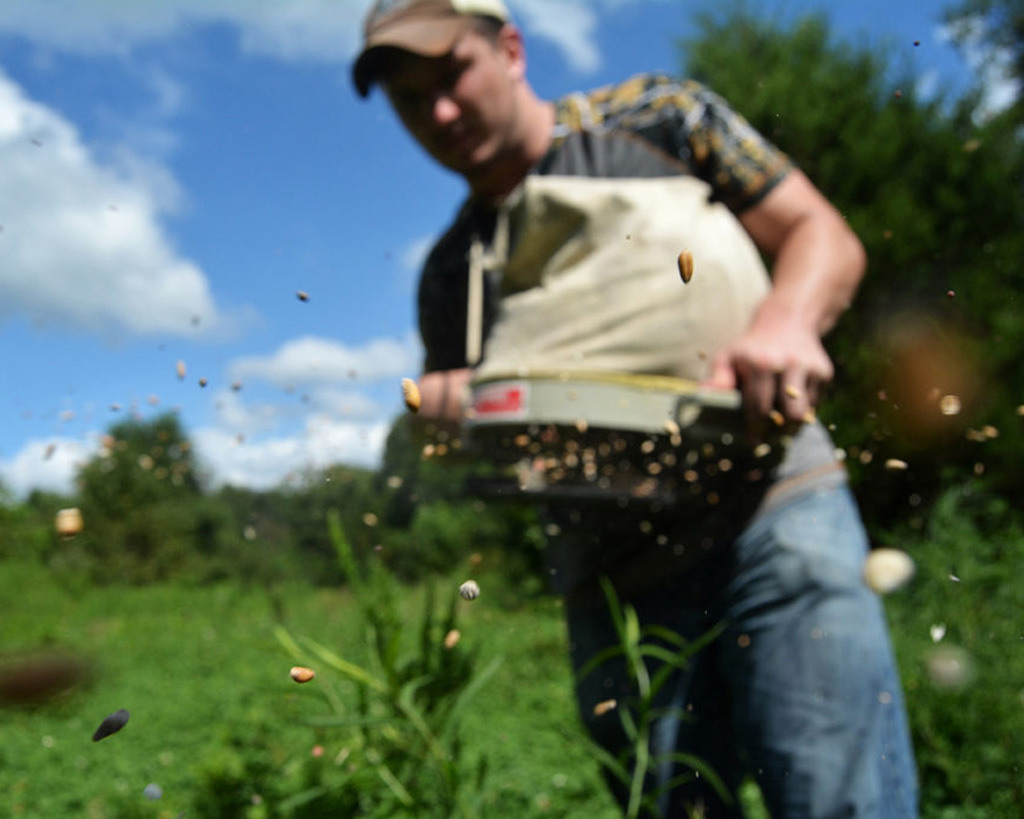
In some cases, access to farm equipment is not possible. Through the power of science, seed manufacturers have been able to develop seed blends perfect for simply throwing on the untilled surface of the earth. Typically, these are perfect for food plots in the woods where small clearings make for perfect ambush locations. To create a food plot in the woods it is important to spray the weeds and rake away any debris like leaves, rocks, and sticks. Seeds must hit the open dirt. Carry a sturdy metal garden rake and have durable work gloves to protect from blisters. Cut the canopy of the trees back as much as possible to maximize sunlight. Lack of sunlight is what kills most food plot efforts.
Create/Organize Your Maps
As we review the surroundings it is a bet practice to review first from the sky. Whether you use Google earth or a physical topographical map it is important to mark on map points of interest to scout. The aerial review provides a fresh perspective and can open new opportunities for stand locations. By paying close attention to the contours of the land you can find hidden travel corridors which guide deer travel such as saddles and benches, hidden field corners and bottlenecks. Marking on map points of interest to scout helps organize your efforts and make the best use of your time. Physical maps like those made from HunTerra Maps are a handy tool to be able to have at home or in the truck.