That strong north wind is carrying more than just cold weather. The end of deer season is right behind it. You still haven’t killed a buck. And you burned most of your vacation days during the rut.
But you don’t need much more time off to kill a big, old late-season buck. Five days will suffice — and they don’t even have to be five consecutive days. This is still deer hunting, and there are no guarantees. But with time running out, this five-day plan is your best chance at killing a bruiser.
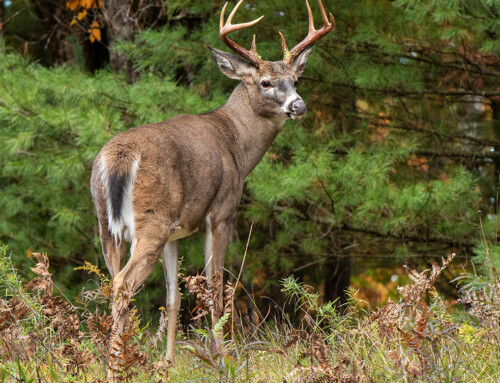
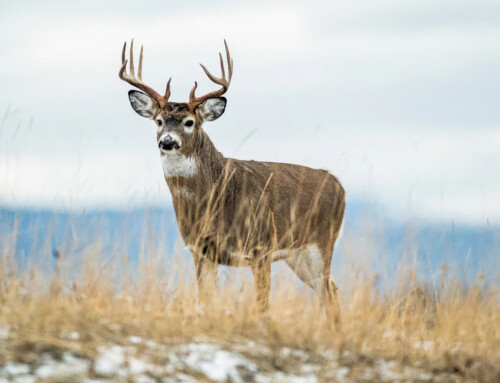
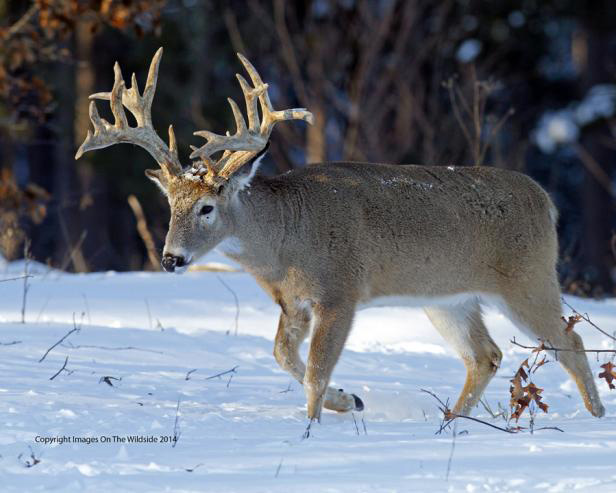
He’s still out there. This 5-step plan may be your best chance at killing him. (Images on the Wildside)
Day 1
It may seem counterproductive to limit your hunting time when you only have five days, but you can’t kill a deer if none are around. It’s far better to spend two or three of your five days nailing down the best spot for a couple good hunts, rather than four of those days sitting in a gar hole.
 The late season is driven by the belly of the beast, so your first scouting goal is to find food. Expect deer to concentrate in big numbers around the best food sources right now, old bucks included, since they can lose up to 30 percent of their body weight during the rut. Don’t count on seeing late-rut activity, but if you do, it’ll be because a select few doe fawns have come into heat for the first time. Those fawns will be on the food same as the other deer, so that’s where the bucks will look for them.
In the North and Midwest, late-season food means corn, soybeans, and milo as well as hard mast and brassica plots. Down South and in the East, you can still count on the row crops and hard mast, but also look for “green stuff” like wheat and oats, clover, and a variety of soft mast and browse. Much of that stuff stays palatable all winter long. Regardless of where you’re hunting, grain fields such as corn and soybeans receive more attention when it’s bitter cold. Green fields such as wheat and brassicas tend to be more attractive when temperatures are rising.
After you narrow down some food-source options, begin picking apart the terrain, starting with aerial images and topography maps. It’s just as important to know where deer are bedding as to know where they are feeding right now. The first two places of interest during the late season are south- and east-facing slopes. These locations are where deer receive shelter from prevailing wind and catch the first rays of the morning sun. In general, does bed closer to the food source. Bucks typically bed farther back in the cover and higher up on the slopes.
After you’ve narrowed down likely spots — food and bed — head to the woods to confirm things. Start in the morning hours on foot by scouting food sources and trails for fresh tracks, droppings, and even buck sign. It’s not at all uncommon to find fresh rubs and scrapes weeks after the rut peak. When you find the sign you’re after, hang cameras right away, preferably by noon so they can capture any evening activity.
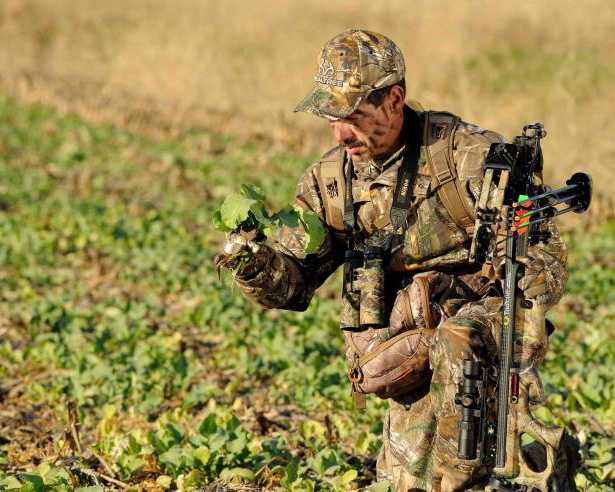
Green stuff, including brassica plots but also cereal grains and even clover, is especially attractive to deer during a late-season warm spell.
Day 2
Day two is your contingency day, and will be spent much like day one. Even if you find a food source covered in deer tracks, there may not be a shooter buck using it. But if you find three food sources, odds are a shooter is hitting at least one of them. Now that you know what to look for, keep looking for the very best opportunity.
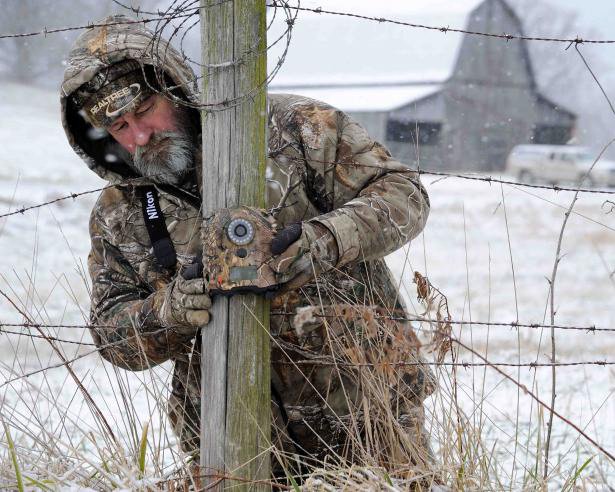 But don’t dally, either. Start dialing in on a specific hunt plan if you’ve found a killer area. If the food source allows for distant observation, spend an evening glassing from an observation stand or simply a good vantage point. If the weather conditions are favorable, your buck will probably step out just before dark. Take in every bit of detail you can about where he comes from and where he goes, and move in to kill him the next day.
That’s in a perfect world, of course. Sometimes there isn’t a “smoking gun” food source, particularly if you’re hunting in the timber or if the area hunting pressure is especially high. In that case, forget the food and focus on overlooked sanctuaries. Consider sanctuary or refuge areas that have been untouched all season. Late-season bruisers seek refuge in brush piles, blow-downs, swamps, drainages, old farm machinery piles, and fencerows. They’re smart. They know where to avoid hunters. Check these areas for big, fresh tracks, and maybe a rub or two. Hang a camera and hope for the best. The Covert Blackhawk LTE is a solid option.
Trail cameras are great tools for late season scouting, but don’t overlook old-fashioned glassing and searching for deer sign, either.