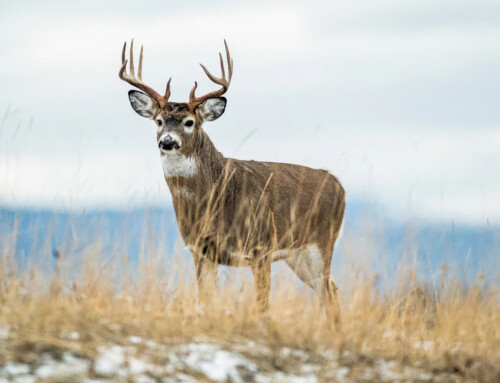

I enjoy pursuing whitetails during the comfortable days of autumn, when a cloak of golden leaves dangles overhead and daytime temperatures seldom dip below the zero mark. But, oddly enough, I also look forward to the late season, when icebox temperatures push downward from northern Canada and even the geese have departed for warmer climes.
In most Midwestern states, when the last rifle or shotgun season ends, hunting pressure drops off quicker than the 2008 stock market. Combine that with cold weather and a shortage of food, and the deer become more predictable. That’s when the odds start stacking in our favor.
If you can come to grips with the foul weather, frigid temperatures and a spooky deer herd, you’ll stand a good chance of shooting a trophy buck during the late season. Following are a few tips that will help you prepare for the inevitable.
LATE-SEASON BEHAVIOR
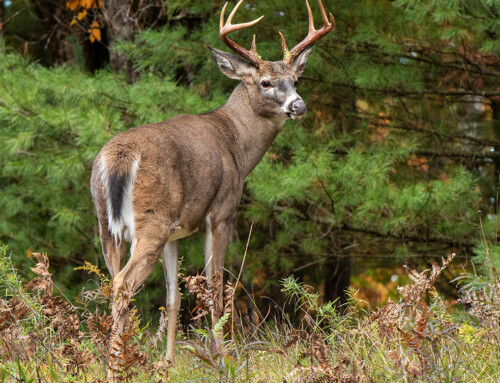
By the time the late season arrives, the deer have seen hunters invading their space for two or three months. As a result, they’re downright skittish and most have altered their behavior to minimize their susceptibility to encounters of the human kind. For the most part, late-season deer are nocturnal creatures, spending the daylight hours in thick security cover and feed under the cover of darkness.
FIND FOOD, FIND DEER
When the mercury drops like a rock, deer go into survival mode in preparation for a decrease in metabolism and the grips of Ol’ Man Winter. Combine two months of chasing and breeding with the strain of dodging countless hunters, and the deer are understandably worn down. By the time the late season arrives, deer need to regenerate their spent fat reserves. That means refueling with large amounts of food, even at the expense of security by feeding during daylight hours.
Finding deer in the late season isn’t that tough if you can find a primary food source. The old saying “find the food, find the deer” couldn’t be more true during the late season. In the absence of deep snow, deer will find fields with adequate free grain left from harvest. However, when deep snow and ice prevent them from finding enough food on nearby fields, they’ll travel longer distances to find it. If you have the only standing food source within a mile or more, rest assured you’ll be pulling deer off the neighboring properties too.
Pam hunted all week without seeing a good buck. On New Year’s Eve, which was the final day of our hunt, Andy mentioned seeing a big 8-pointer while harvesting a nearby piece of ground. That particular farm hadn’t been hunted much and a ton of deer had been bedding in a CRP field during the day. By afternoon, they were making the transition toward 20 acres of standing corn on the neighboring property. If there was ever a piece of ground that begged to be hunted, this was it. That morning, Andy took a ground blind in with a snowmobile and set up within range of the trails coming out of the CRP.